
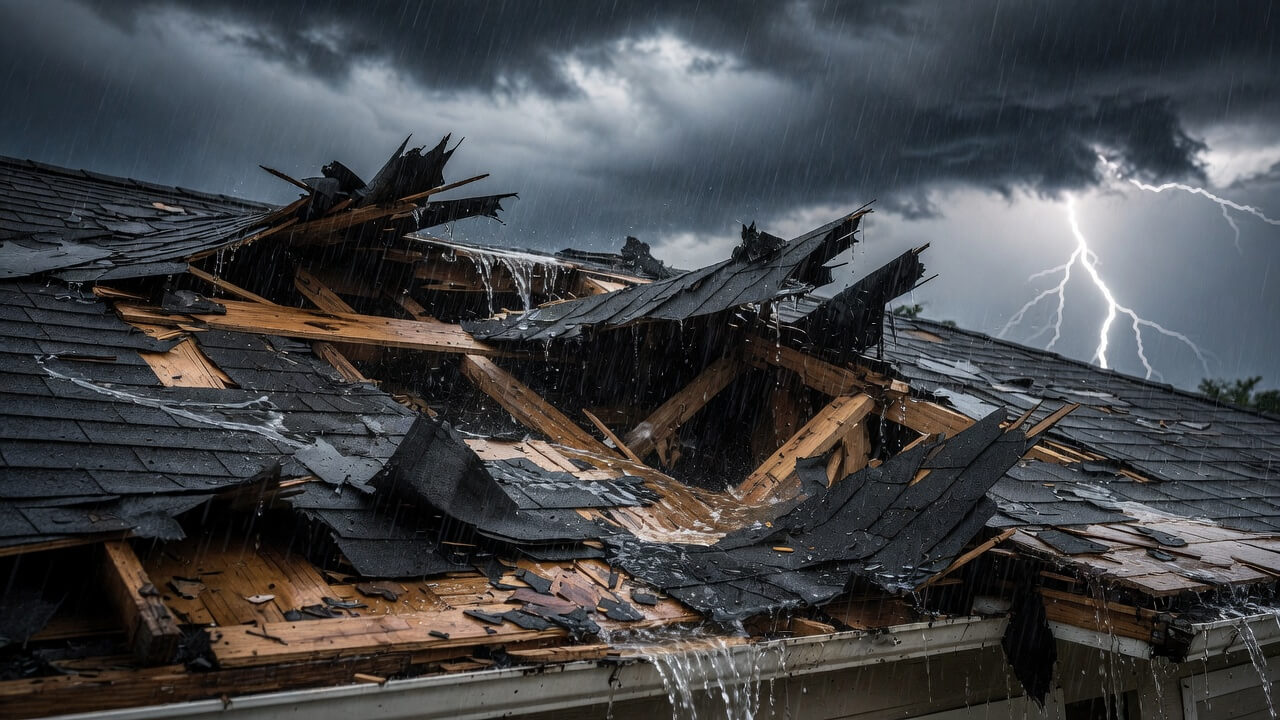
How to File a Roof Insurance Claim After a Storm in Florida
Florida homeowners know the drill: one bad storm and your roof can go from “fine” to “thousands of dollars in damage” overnight.
The good news? Your homeowners insurance is designed to cover wind, hail, and hurricane damage. The bad news? The claims process can feel overwhelming — especially with Florida’s strict deadlines, high deductibles, and post-reform rules.
This 2026 guide walks you through the exact step-by-step process that gets claims approved faster and paid fairly. Follow it and you’ll avoid the most common (and costly) mistakes.
Quick 2026 Florida Timeline
- File your claim: Within 1 year of the storm (but do it in the first 48–72 hours)
- Insurer acknowledgment: Within 14 days
- Decision (pay or deny): Up to 90 days after they have all documents
Let’s make sure your claim goes smoothly.
Step-by-Step: How to File a Roof Insurance Claim in Florida
Step 1: Stay Safe and Document Everything Immediately
Before you touch the roof or make repairs:
- Take hundreds of photos and videos from the ground and inside your attic/home.
- Capture close-ups of missing shingles, dents, punctures, torn flashing, and any interior water stains or ceiling damage.
- Note the date, time, and storm details (save weather reports).
- Do not climb on the roof yourself — it’s dangerous and can hurt your claim.
Step 2: Make Temporary Repairs to Prevent Further Damage
Florida law requires you to “mitigate” (minimize) additional damage.
- Tarps, boards, or plastic sheeting are fine.
- Keep all receipts — these costs are usually reimbursable.
- Take before-and-after photos.
Step 3: Review Your Policy (Especially the Deductible)
Grab your declarations page and look for:
- Hurricane/Wind Deductible — often 2–10% of your home’s insured value (not a flat $500 or $1,000). A $400,000 home with a 5% deductible means you pay the first $20,000.
- Coverage limits and exclusions.
- Any “roof age” or “condition” clauses (new 2026 rules give more protection here).
Step 4: File the Claim as Fast as Possible
Call your insurer’s claims line (or file online) within 48–72 hours. Provide:
- Policy number
- Date and cause of loss
- Your documentation
- Request your claim number immediately.
Keep a detailed log of every call: date, time, representative name, and what was said.
Step 5: Get a Professional Roof Inspection
Hire a licensed Florida roofing contractor for a full inspection before the insurance adjuster arrives.
They’ll spot hidden damage (bruised shingles, compromised underlayment, deck rot) that adjusters often miss.
Bring their detailed report and photos to the adjuster meeting.
Step 6: Meet the Insurance Adjuster
Be present (and bring your contractor if possible).
- Walk them through all damage.
- Point out everything in your documentation.
- Ask questions and take notes.
Step 7: Review the Settlement Offer Carefully
Compare the adjuster’s estimate against your contractor’s.
If it’s too low, request a re-inspection or supplement with more evidence.
Do not sign anything until you’re satisfied.
Important 2026 Florida Rules You Must Know
| Rule | What It Means for You |
|---|---|
| Filing Deadline | 1 year from date of loss (18 months for supplemental claims) |
| Insurer Response | 14 days to acknowledge; up to 90 days to pay/deny |
| Hurricane Deductible | Usually 2–10% of dwelling coverage |
| Assignment of Benefits (AOB) | Heavily restricted/banned for most policies — never sign one |
| “Free Roof” Promises | Red flag — Florida law cracked down on this |
Common Mistakes That Get Claims Denied or Reduced
- Waiting too long to file
- Poor or incomplete documentation
- Making permanent repairs before the adjuster sees the damage
- Signing an AOB or “free roof” contract
- Accepting the first lowball offer without pushing back
When Should You Hire a Public Adjuster?
For big or complicated claims (especially after major hurricanes), a licensed public adjuster can negotiate on your behalf. They typically charge 10–20% of the settlement but often recover far more than you could alone. Only use one licensed in Florida.
Ready to Protect Your Home and Your Wallet?
Filing a roof insurance claim after a storm doesn’t have to be stressful or leave you underpaid. The key is acting fast, documenting thoroughly, and having the right professionals on your side.
Book a free, no-obligation roof damage assessment through CalendarLead. Our trusted local partners will inspect your roof, help document the damage, and guide you through the claims process — all at no upfront cost to you.
Frequently Asked Questions
FAQ
Frequently Asked Questions
How long do I have to file a roof insurance claim in Florida?
You have 1 year from the date of the storm for the initial claim and 18 months for supplemental claims.
What is a hurricane deductible in Florida?
It’s usually a percentage (2–10%) of your home’s insured value — much higher than a standard deductible. Check your policy.
Should I hire a contractor before or after the insurance adjuster?
Before — their independent inspection strengthens your claim and helps the adjuster see the full scope of damage.
Can I still file a claim if my roof is old?
Yes. New 2026 rules prevent insurers from denying claims solely based on roof age in many cases, especially if storm damage is clear.
What if my claim is denied or lowballed?
Request a re-inspection, submit more documentation, or consult a public adjuster or attorney.
Ready to take the next step?
Get connected with vetted local professionals in under 30 seconds.