
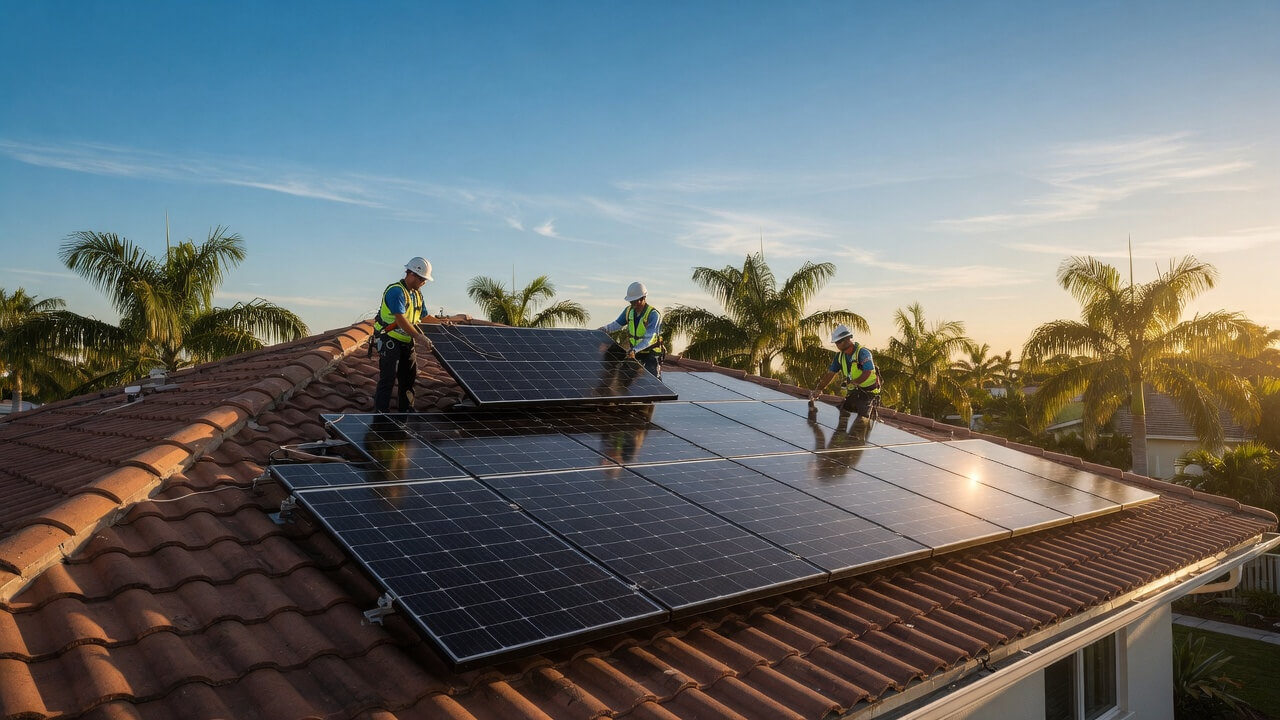
When is the Best Time of Year to Install Solar in Florida?
Florida homeowners ask this question every single day: “When should I actually pull the trigger on solar?”
The short answer: The best time is now — but timing it right can save you weeks of waiting, thousands in potential storm delays, and lock in the strongest net-metering rates before any 2026–2027 changes.
This complete 2026 guide breaks down the ideal windows, why winter and early spring win for most Florida families, and exactly how to plan your installation so you’re producing maximum power when your AC bill hits hardest.
2026 Florida Solar Timing Snapshot
- Best overall window: October – April (dry season)
- Fastest installs: January – March (milder temps + lower demand)
- Typical full timeline: 4–8 weeks from signed contract to grid-connected power
- Biggest risk period: June – October (hurricane season delays)
Let’s break it down so you can choose the perfect month for your roof.
Best Time of Year to Install Solar in Florida: Season-by-Season Breakdown
| Season | Pros | Cons | Best For |
|---|---|---|---|
| Winter (Dec–Feb) | Mild temps, dry weather, fast scheduling, lower installer demand | Slightly cooler days (still excellent production) | Homeowners wanting quick installs |
| Spring (Mar–May) | Perfect weather, high sun hours, pre-summer savings | Demand starts rising after March | Families planning for summer AC |
| Summer (Jun–Aug) | None (avoid) | Daily rain, heat, hurricane risk, long wait times | Emergency needs only |
| Fall (Sep–Nov) | Cooling temps, post-hurricane season | Early storms possible, busier schedules | If roof is hurricane-ready |
Winner for 2026: January through March
Installers have more availability, weather is most predictable, and you’ll be fully operational before the brutal summer electricity bills arrive.
Why Timing Matters More Than Ever in 2026
- Weather & Installation Speed
Florida’s dry season (October–April) means almost no rain delays. Crews can work safely and efficiently without battling afternoon thunderstorms or high humidity. - Hurricane Season Reality
Peak storm months (August–October) bring permitting slowdowns, supply-chain risks, and the very real chance your new system sits in a warehouse while a storm approaches. Smart homeowners finish installs by late spring at the latest. - Net Metering & Rate Lock-In
Some Florida utilities are adjusting export credits for systems installed after 2026. Installing this year can help you grandfather into today’s full retail-rate net metering for up to 20 years. - Installer Availability & Pricing
Demand spikes in spring and fall. Booking in winter often gets you faster turnaround and sometimes better pricing because crews aren’t slammed. - Maximum First-Year Savings
Install before May and your system starts offsetting your highest summer usage right away.
Step-by-Step: How to Time Your Solar Installation Perfectly
Step 1: Check Your Roof First
If your roof is 10+ years old, replace it before solar. Combining projects saves money and avoids removing panels later.
Step 2: Get Multiple Quotes Now
Contact 3–4 local installers and ask for a free site assessment. Mention you’re flexible on timing — they’ll often prioritize you.
Step 3: Aim for a January–March Start Date
- Sign contract in December–February
- Permitting: 2–4 weeks
- Installation day: 1–3 days
- Grid connection: 1–2 weeks
Step 4: Add Batteries for Hurricane Season
Pair your solar with storage so you’re protected no matter when the next storm hits.
Step 5: Monitor Production from Day One
Most apps show real-time output — you’ll see immediate savings once the system flips on.
Common Timing Mistakes to Avoid in 2026
- Waiting until summer “when it’s sunnier” → You’ll face delays and higher bills.
- Ignoring roof age → You may have to remove and reinstall panels later.
- Assuming any month is equal → Hurricane season can push your project back 4–6 weeks.
- Skipping battery storage → Florida outages happen year-round.
Ready to Time Your Solar Installation for Maximum Savings?
The best time to go solar in Florida is the moment you decide to stop overpaying the utility company — but scheduling it in the dry season gives you the smoothest, fastest, and most cost-effective experience.
Book a free, no-obligation solar assessment through CalendarLead. Our trusted local partners will evaluate your roof, run exact 2026 numbers for your home, and recommend the perfect installation window so you start saving as soon as possible.
Frequently Asked Questions
FAQ
Frequently Asked Questions
What is the absolute best month to install solar in Florida?
January, February, or March — mild weather, fast scheduling, and you’re ready for summer.
Can I install solar during hurricane season?
Technically yes, but it’s not recommended. Delays and weather risks are much higher from June through October.
Does the time of year affect how much solar saves me?
Yes. Installing before summer means you offset your highest electricity usage months immediately.
How long does the full solar installation process take in Florida?
Usually 4–8 weeks total, but dry-season scheduling can shave 1–2 weeks off.
Will installing in winter affect my first-year production?
Not meaningfully. Florida’s winter sun is still strong enough for excellent year-round performance.
Ready to take the next step?
Get connected with vetted local professionals in under 30 seconds.